





Brand Comparison
10-Unit vs 400 Units: How Tiered Pricing Affects Your Per-Unit Cost
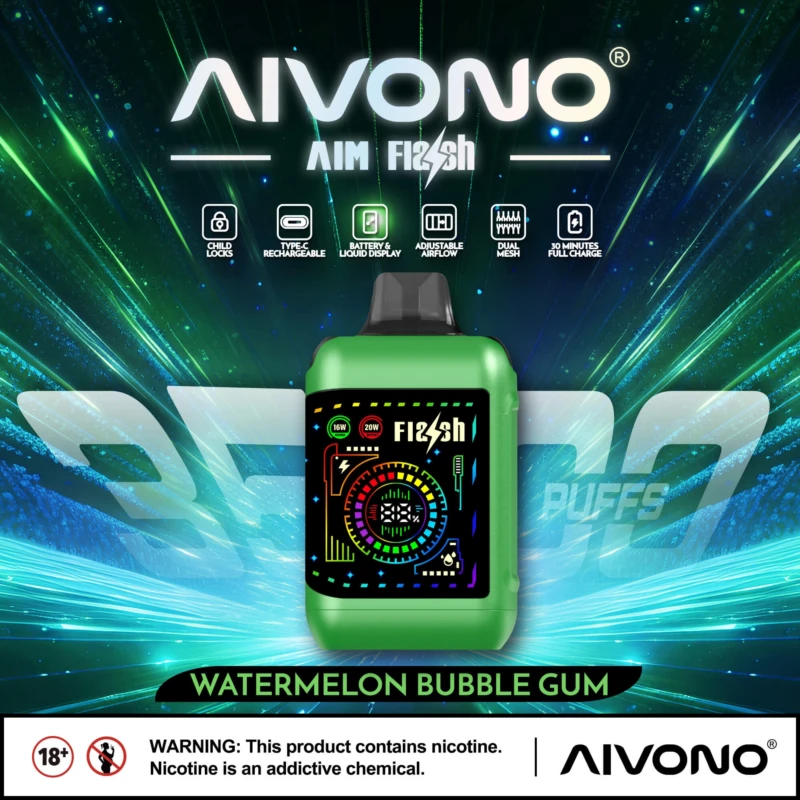
10-Unit Minimum Order vs 400 Units: How Tiered Pricing Affects Your Per-Unit Cost
One of the most common questions from new wholesale buyers is straightforward: how much do I actually save by ordering more? This article answers that directly — with a clear explanation of how our tiered pricing works, what the per-unit cost difference looks like at different quantity levels, and how to decide which tier makes commercial sense for your business at each stage.
How tiered pricing works
Our wholesale pricing is structured in quantity tiers. The exact thresholds vary by product, but the general structure across our catalog follows this pattern:
| Order quantity | Pricing tier |
|---|---|
| 10 units (1 box) | Standard wholesale price |
| 30–50 units (3–5 boxes) | Small discount applied |
| 100+ units | Mid-tier pricing |
| 400+ units | Best per-unit price |
Each box contains 10 units of one flavor. When you order 30 units, you can select three different flavors — one per box. When you order 400 units, you can select up to 40 different flavors across 40 boxes.
What the difference looks like in practice
Using the WASPE 40K as an example across tiers (approximate figures — contact us for exact pricing):
| Quantity | Price per unit | Total cost | Saving vs 10-unit |
|---|---|---|---|
| 10 units | Base price | Base × 10 | — |
| 30 units | ~3–5% less | Proportionally lower | Small |
| 100 units | ~8–12% less | Significantly lower | Meaningful |
| 400 units | ~15–20% less | Lowest per-unit cost | Maximum |
The difference between 10 units and 400 units is typically 15–20% per unit across our main catalog. On a device retailing at €15–20 per unit, this represents €2–4 per unit in additional margin — which across 400 units is €800–1,600 in total.
When to order at each tier
10 units (first order or new flavor test)
The 10-unit minimum is designed for testing. If you have never stocked a product before, or if you want to test a new flavor combination with your customer base, 10 units is the right starting point. You limit your financial exposure and get real customer feedback before committing to larger quantities.
The trade-off: you pay the highest per-unit price. This is acceptable for testing but not for your core SKUs.
30–50 units (regular stock replenishment)
Once you know a product moves in your market, ordering 30–50 units lets you maintain stock without overcommitting. You get a modest discount over the 10-unit price and can still select multiple flavor combinations (3–5 different flavors across your boxes).
100 units (established product, proven demand)
At 100 units, the mid-tier discount becomes meaningful. This is the right quantity for products that have moved consistently for 2–3 months and where you have confidence in your customer demand. At this level, you also have enough stock to support a retail display and handle a spike in demand without running out.
400 units (flagship SKU, high-volume operation)
At 400 units, you access the best per-unit pricing in our catalog. This tier is for products that have become core SKUs — devices your customers request by name and that you expect to sell through within 6–8 weeks. At 400 units across 40 flavor boxes, you also have maximum flavor flexibility to serve different customer preferences.
Practical advice for new buyers
Start small, scale fast. Order 10 units of 3–4 different products to test which ones move in your market. Within 4–6 weeks you will have enough data to know which 1–2 products deserve a 100+ unit commitment. From there, scale to 400 units once you have 3–4 months of consistent sell-through.
Mix products across tiers. There is no requirement to order one product at 400 units. You can order 100 units of Product A, 30 units of Product B, and 10 units of Product C in the same order. Each product's pricing is determined by its individual quantity within the order.
Use the WhatsApp discount. Orders above a certain value placed via WhatsApp qualify for an additional discount of up to 10%. Contact us at +86 166 2044 4529 to place bulk orders and confirm the current discount structure.
EU warehouse vs China warehouse pricing
EU warehouse stock is priced slightly higher than China warehouse stock to reflect the logistics cost of maintaining European inventory. The trade-off is delivery time: EU warehouse orders arrive in 3–7 days versus 10–15 days from China. For most wholesale buyers, the EU warehouse is the right choice for core high-turnover SKUs; China warehouse is better for larger volume orders where the 10–15 day lead time is manageable.